


Garage / basement / attic conversion
Turn underused spaces into comfortable, functional living areas through careful planning and code-compliant construction
Turn Your Garage, Basement, or Attic Into a Functional Living Space
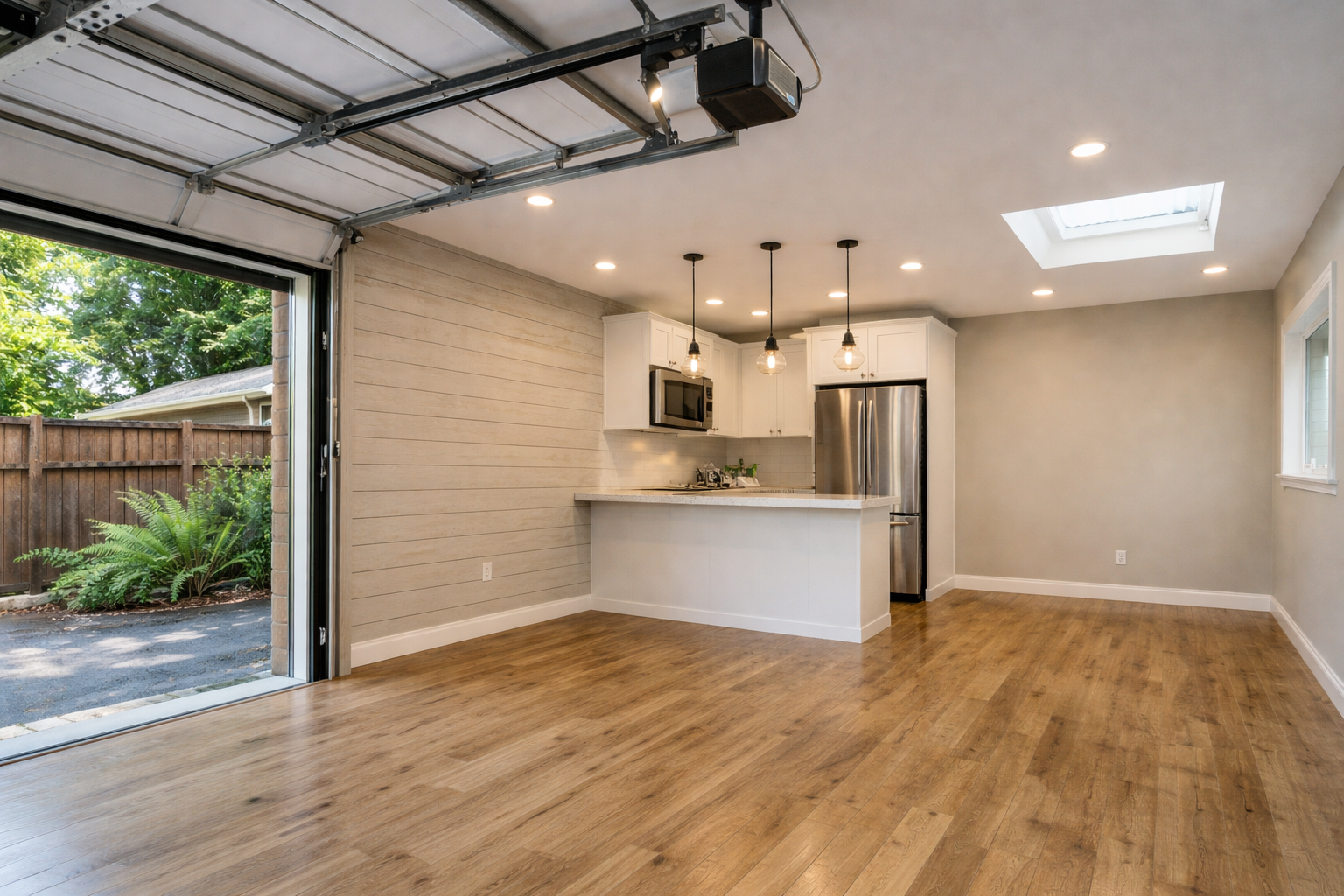
Garage, basement, and attic conversions allow homeowners to expand their living space without changing the footprint of the house. Whether you’re creating a guest suite, home office, rental unit, or family space, a well-planned conversion can significantly improve comfort and usability.
Request free estimateOur team handles the full conversion process — from evaluating existing structures and ceiling heights to coordinating permits, insulation, electrical, plumbing, and code requirements. Every project is carefully planned to meet local building standards while fitting your home’s layout and long-term goals.
Not every space is immediately ready for conversion. Ceiling heights, structure, ventilation, and access requirements all matter. We evaluate these factors upfront and clearly explain what’s possible, what improvements may be required, and how to achieve a safe, compliant result.
WHAT’S INCLUDED
A clearly defined scope of work — so you know what’s included from day one:

Existing Space Evaluation
Review of existing structure, ceiling heights, access, and layout to determine feasibility and code compliance
Layout & Functional Planning
Planning of room layout, access points, and functional zones based on your goals and the existing structure
Structural & Framing Adjustments
Framing modifications and structural improvements required to safely convert the space into a livable area
Insulation, Ventilation & Moisture Control
Proper insulation, airflow, and moisture protection to meet comfort and energy efficiency standards
Electrical & Plumbing Coordination
Coordination with licensed electrical and plumbing trades to meet local codes and inspection requirements
Drywall, Flooring & Interior Finishes
Installation of drywall, flooring, trim, and interior finishes to complete the living space
Permits & Inspections (When Required)
Coordination of permits and inspections to ensure all work meets local building regulations

Every conversion project is customized based on the existing conditions of the home, local code requirements, and the intended use of the space
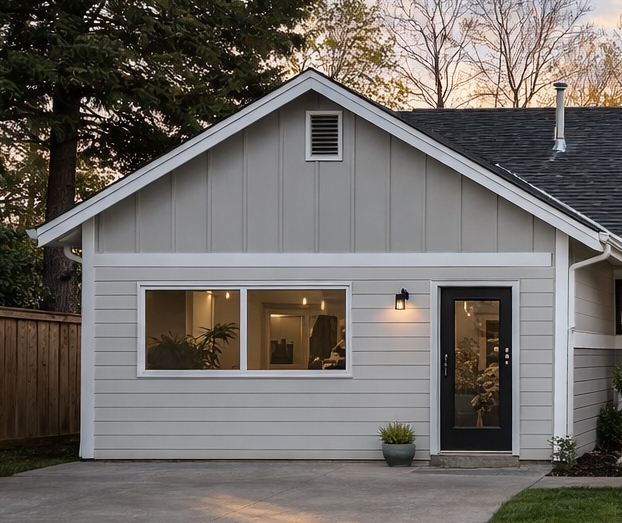
RECENT Garage REMODELING PROJECTS
Completed projects for homeowners across the Greater Seattle Area — each tailored to the home, layout, and client’s needs.
How We Work
A clear, step-by-step process designed to keep projects organized and predictable
01
Free Estimate
We review your space, discuss your goals, and provide a clear estimate based on scope and existing conditions
02
DESIGN & PLANNING
Layouts, materials, and construction details are planned upfront to keep the project organized and predictable
03
PERMITS
When permits are required, we coordinate approvals and inspections to meet local building requirements
04
Construction
Construction is managed with organized scheduling, coordinated trades, and consistent communication
05
FINAL WALKTHROUGH
We walk through the completed project together, review the details, and take care of any outstanding items before closing out the project
REMODELING FAQs
Straight answers on pricing, timelines, permits, and what to expect - so you can plan your remodel with confidence across the Greater Seattle Area
Not always. Ceiling height, structure, ventilation, access, and natural light must meet local code requirements. We review these conditions early and explain what’s possible and what upgrades may be needed.
Yes, in most cases. When a space changes its use or includes new electrical, plumbing, or structural work, permits are typically required.
Requirements vary by city and county, and some conversions involve multiple inspections at different stages. When permits are required, we help coordinate the process and ensure the work meets local building standards.
Project timelines depend on scope and complexity. Smaller conversions may take several weeks, while larger or more involved projects can take a few months. A realistic schedule is outlined before construction begins.
Sometimes — it depends on zoning rules, building codes, access, and fire-safety requirements.
During the planning phase, we review local regulations and existing conditions to determine whether your space can legally function as a rental unit, guest suite, or secondary living area.
In many cases, yes. Adding usable living space can improve functionality and overall home value, especially when the conversion is well planned and professionally finished.
Often yes, but not always. Some conversions involve structural work, limited access, or temporary utility disruptions that may affect safety and comfort.
We discuss this early in the process so you can plan accordingly and avoid surprises once construction begins.